When the tone pot is in the center position, the tone is at it's fullest with the full amount of bass and treble -- sounds like a typical tone pot at 10.
As the tone knob is turned up, the bass response decreases and the treble sounds remain, it can get quite shrill on it's own but I'm sure it's great in the mix to cut through the bands.
When the tone knob is turned down it functions like the standard tone knob and the lowest frequencies remain.
It's a smart design in my opinion and I'm curious if it was a common feature before the electric Spanish guitars standardized tone pot wiring with the single capacitor.. bass and treble fully intact at 10, only treble decreasing with the wipe of the pot function.
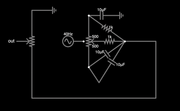
Here's a sloppy online diagram I made of the wiring.
*Please ignore the values; I didn't measure them yet, but I don't know how to remove them using the online tool
Also, the 40Hz sine wave input represent the hot wire from the pickup.. also didn't know how to change that
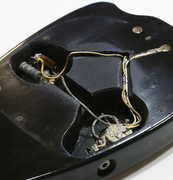
I'm curious if anybody else has experiences with 1930s and 1940s lap steels using this kind of tone control wiring or if this was something fairly uncommon and most lap steel tone controls were wired like a standard electric guitar.
Thanks
